Quick Answer: What To Do in the First 60 Minutes
If a pipe just burst in your Sunblest Farms home, follow this sequence before anything else:
- Shut off the main water valve (usually near the water meter or where the line enters the basement).
- Turn off electricity to wet rooms at the breaker panel.
- Open faucets on the lowest level to drain remaining line pressure.
- Move valuables, electronics, and rugs to a dry room.
- Photograph everything for your insurance claim before cleanup begins.
- Call a 24/7 restoration company for water extraction within 2 to 4 hours.
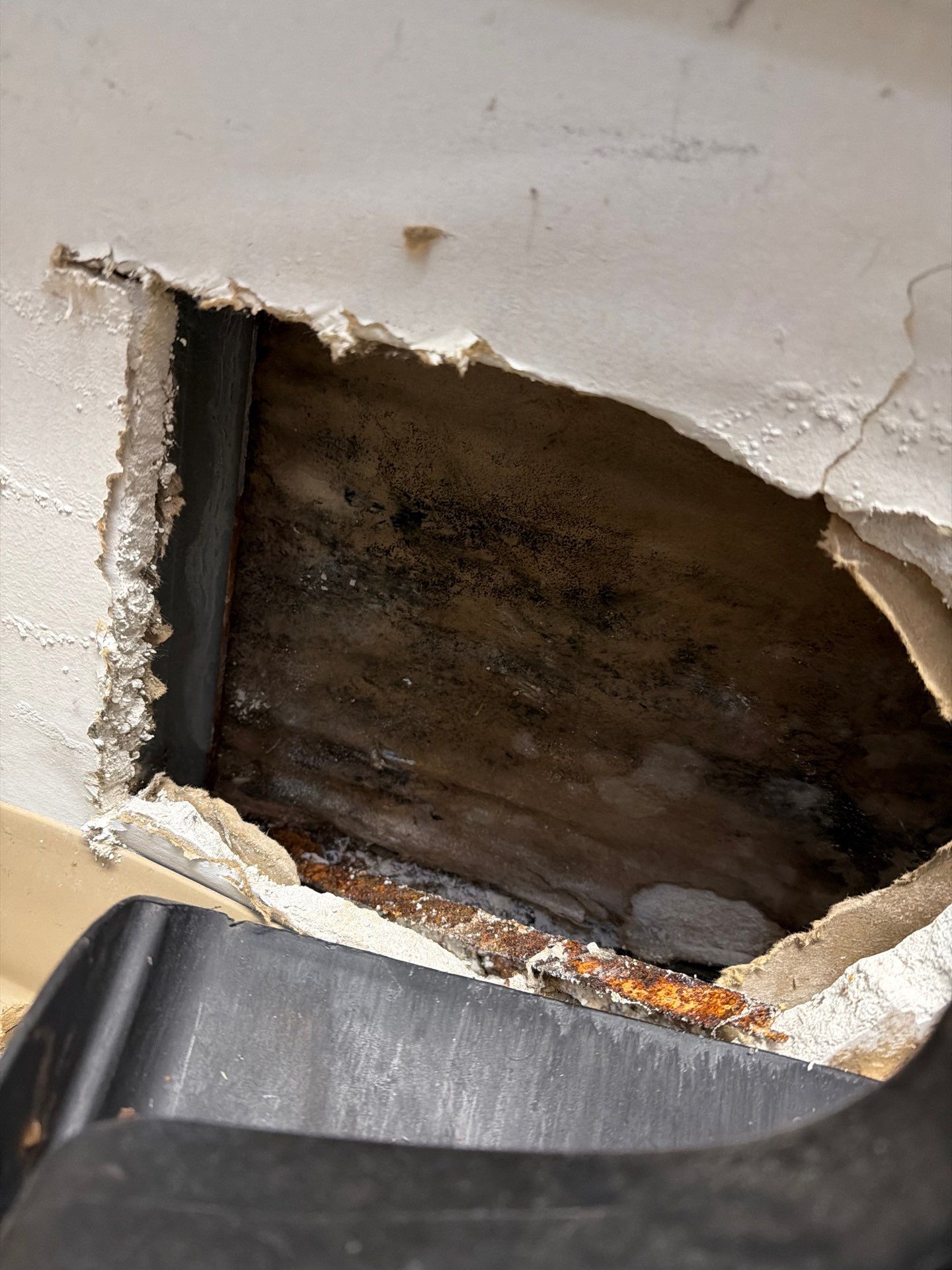
Speed matters. Category 1 clean water becomes Category 2 (gray) within 24 to 48 hours, and mold colonization starts inside 72 hours. For deeper guidance on the first response window, our team also covers burst pipe immediate steps and repair cost in a dedicated breakdown.
Why Pipes Burst in Sunblest Farms Winters
Indiana winters routinely drop into the single digits, and unconditioned spaces freeze fast. The common failure points we see:
- Uninsulated pipes in crawlspaces and exterior walls
- Hose bibs left connected to garden hoses through October
- Vacant homes with the thermostat dropped below 55 degrees
- Attic supply lines above poorly insulated ceilings
- Garage water lines feeding utility sinks or refrigerators
- Copper lines run through cantilevered floor sections above garages
- PEX or CPVC near rim joists where cold air infiltrates
Water expands roughly 9 percent when it freezes. That expansion creates pressure between the ice plug and a closed faucet, and the weakest fitting splits. The leak usually shows up after the thaw, not during the freeze, which is why so many Sunblest Farms homeowners discover the damage on the warm-up day. A quarter-inch crack in a copper line can release up to 250 gallons per day at typical municipal pressure, which is why even a brief absence during a cold snap can produce thousands of dollars in damage.
Warning Signs Before a Full Burst
Sometimes a pipe gives you a head start. Watch for reduced flow at a single faucet on cold mornings, frost visible on exposed copper, banging sounds in the walls when you open a tap, or unexplained drops in water pressure. If you catch a freeze early, you can sometimes thaw the line with a hair dryer or heat lamp before it splits. Never use an open flame, and always open the affected faucet first so meltwater has somewhere to go.
The IICRC Drying Process We Follow
Every job at Sunblest Farms Water Restoration follows IICRC S500 standards. Here is what that looks like on a frozen pipe burst:
- Inspection and moisture mapping. We use thermal imaging and pin meters to find water you cannot see inside walls and under flooring.
- Water extraction. Truck-mounted and portable units pull standing water within hours of arrival.
- Controlled demolition. Wet insulation, swollen baseboard, and saturated drywall come out. Dry materials stay.
- Structural drying. Air movers and commercial dehumidifiers run 3 to 7 days with daily moisture readings.
- Antimicrobial treatment. Applied to prevent mold in cavities that were wet over 24 hours.
- Reconstruction. Drywall, paint, flooring, trim, and final punch list.
Preventing the Next Freeze
Once the current job is closed out, a few low-cost steps keep history from repeating. Insulate any pipe in an unconditioned space with foam sleeves rated for the diameter. Disconnect garden hoses by mid-October and install frost-free hose bibs where possible. On nights below 15 degrees, let a pencil-thin stream run from the faucet farthest from your main, and open cabinet doors under sinks on exterior walls. If you travel, never set the thermostat below 58 degrees, and ask a neighbor to check the home daily. A $40 smart leak sensor placed near known vulnerable points can shut off your main automatically and save tens of thousands in damage.
Insurance Claims: What Is Covered
Most Sunblest Farms homeowner policies cover sudden and accidental pipe bursts. They do not cover gradual leaks or freezes caused by leaving the home unheated. Key documentation to keep:
- Time-stamped photos and video of damage before cleanup
- Receipts for emergency mitigation
- The plumber's invoice identifying the failure point
- A moisture log from your restoration company
- An itemized scope of work with line-item pricing
We submit Xactimate estimates directly to adjusters, which speeds approval and reduces back-and-forth. If you are still deciding who to call, the how to choose a water damage company checklist covers credentials, response time, and red flags to watch for. Be aware that most policies carry a separate deductible for water claims, and some carriers in Indiana now apply sub-limits on mold remediation, typically capping coverage between $5,000 and $10,000 if secondary growth develops.
What You Can Do While Waiting for the Crew
- Place buckets under active drips and move them every 30 minutes
- Pull up area rugs and lift furniture legs onto foil or wood blocks
- Run the furnace if safe, but do not turn on ceiling fans in wet rooms
- Do not enter standing water near outlets or appliances
- Keep a written log of everything damaged for the adjuster
- Bag soft goods like clothing and linens separately so they can be inventoried for contents cleaning
Repair Cost Ranges in Sunblest Farms
Pricing varies with category of water, affected square footage, and material type. These are realistic Central Indiana ranges based on jobs we have completed:
| Damage Scope | Typical Cost Range | Drying Time |
|---|---|---|
| Single room, Cat 1 water, no demo | $1,500 to $3,500 | 3 to 4 days |
| Multi-room with drywall removal | $4,000 to $9,000 | 4 to 6 days |
| Finished basement, full extraction | $8,000 to $20,000 | 5 to 8 days |
| Whole-home, ceiling collapse, hardwood | $20,000 to $60,000+ | 7 to 14 days |
Plumbing repair itself is usually $300 to $1,200 separate from restoration. If your basement took the brunt of the leak, our flooded basement cleanup and drying cost guide walks through extraction and dehumidification pricing in more detail. Hardwood refinishing, cabinet rebuilds, and custom trim work can push reconstruction higher than the mitigation phase, especially in older Sunblest Farms homes with plaster walls or original millwork that cannot be matched off the shelf.