Quick Answer: What Is the Difference?
Water mitigation is the emergency phase that stops the loss from getting worse. Water damage restoration is the rebuild phase that returns your property to pre-loss condition. Mitigation happens in the first 24 to 96 hours. Restoration can take days or weeks after that.
Think of it this way. Mitigation is the paramedic at the scene. Restoration is the surgeon and the physical therapist. You usually need both, and in most Sunblest Farms insurance claims they appear as two separate line items.
Side by Side: Mitigation vs Restoration
| Factor | Water Mitigation | Water Damage Restoration |
|---|---|---|
| Goal | Stop and contain the loss | Rebuild and repair |
| Timing | Hours 0 to 96 | Day 4 through completion |
| Typical work | Water extraction, drying, antimicrobial spray, content moving | Drywall replacement, flooring, paint, cabinetry, trim |
| Equipment | Air movers, dehumidifiers, extractors, moisture meters | Hand tools, finish carpentry, flooring crews |
| Average Sunblest Farms cost range | $1,500 to $5,500 | $2,000 to $25,000+ |
| Insurance line item | Emergency services | Repairs and reconstruction |
Red Flags When Hiring in Sunblest Farms
- No moisture readings shown on day one
- No written mitigation scope before equipment is placed
- Pressure to sign an Assignment of Benefits in the driveway
- One flat price for mitigation and restoration combined
- No IICRC certification on file
- Refusal to share daily drying logs with you or your adjuster
- Equipment left running with no monitoring visits
What Happens During the Mitigation Phase
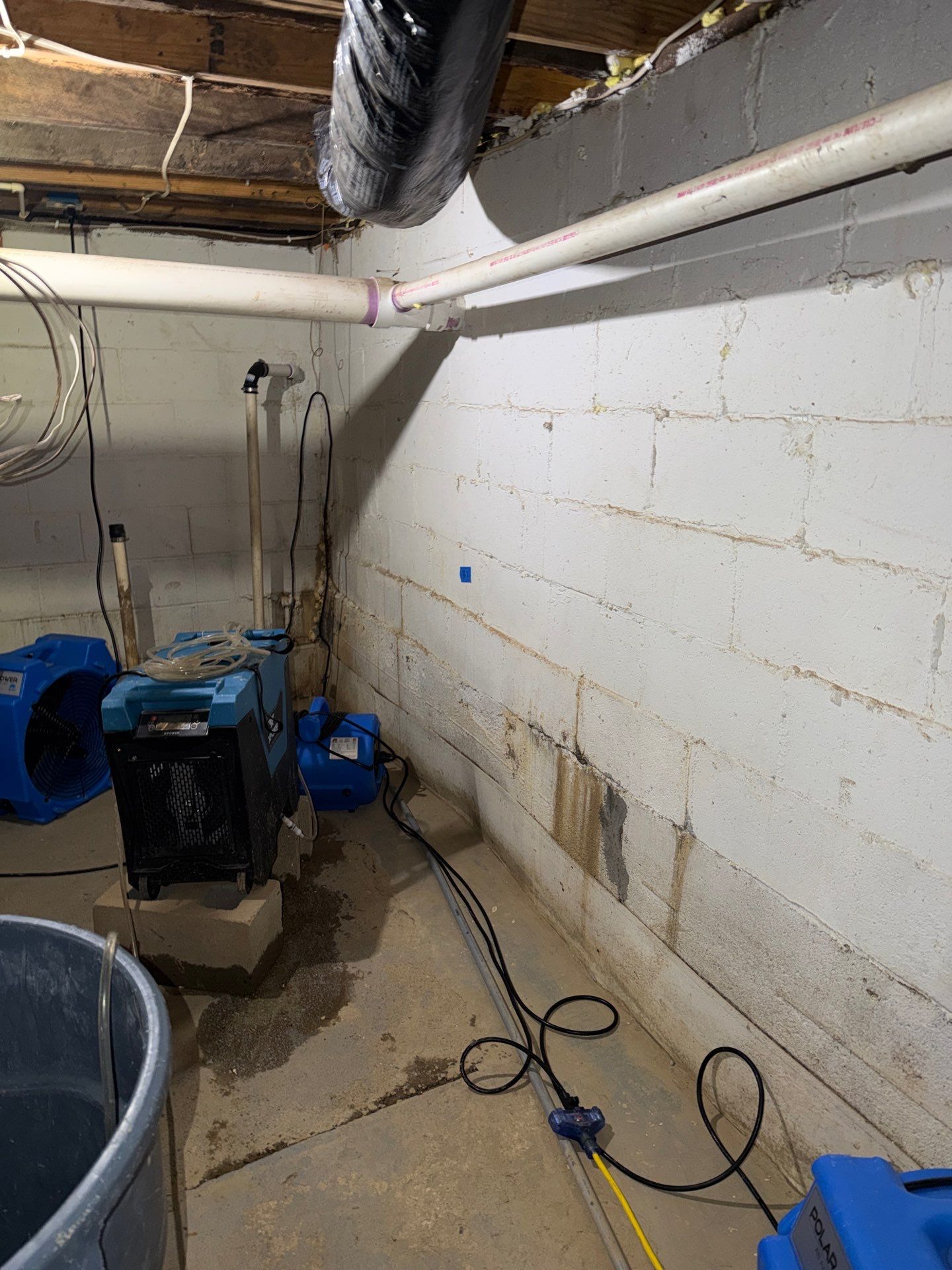
When our crew rolls into a Sunblest Farms home with standing water, the first 24 hours look the same almost every time. The goal is to drop the moisture level fast enough to prevent mold, which begins growing inside 24 to 48 hours under the right conditions.
- Source identification and shutoff if the leak is still active
- Safety check for electrical hazards and contaminated water
- Water extraction using truck mounted or portable units
- Content manipulation, meaning we move or block furniture off wet floors
- Selective demolition such as baseboard removal or flood cuts in drywall
- Placement of air movers and dehumidifiers based on the affected square footage
- Antimicrobial application on Category 2 or Category 3 losses
- Daily moisture readings logged for your insurance adjuster
You can read more about this phase in our overview of water mitigation services and emergency drying, which covers the equipment we deploy and how we document each reading.
How Sunblest Farms Water Restoration Sizes the Drying Equipment
Equipment count is not guesswork. We calculate cubic footage of the wet area, factor in the class of loss (Class 1 through Class 4), and place one air mover for every 10 to 16 linear feet of wet wall. Dehumidifiers are sized by pints of water removed per day against the grain depression we need to hit. A flooded 400 square foot Sunblest Farms basement will typically run 6 to 10 air movers and one or two low grain refrigerant dehumidifiers running continuously for 3 to 5 days.
Why the Distinction Matters for Your Insurance Claim
Most homeowner policies in Sunblest Farms treat mitigation as a covered emergency service under your dwelling coverage. Adjusters expect to see an itemized mitigation invoice with daily drying logs, psychrometric readings, and photos. If a contractor skips this documentation, your restoration payout can stall or get reduced. We have seen claims in Sunblest Farms delayed by weeks because the first responder did not separate the two phases properly.
For a deeper look at coverage triggers, our breakdown of what homeowners insurance covers for water damage walks through sudden and accidental losses versus gradual leaks.
Documents to Keep in One Folder
- Photos of the source and standing water before extraction
- Signed mitigation work authorization with scope
- Daily moisture and humidity logs
- Equipment list with run times
- Dry certificate signed at the end of mitigation
- Restoration estimate written against Xactimate or a comparable line item tool
IICRC Categories That Drive the Scope
- Category 1: Clean water from a supply line or appliance line. Lowest risk.
- Category 2: Grey water with some contamination, such as washing machine overflow.
- Category 3: Black water from sewage, ground flooding, or long standing moisture. Highest risk.
The category drives whether materials can be dried in place or must be removed. Our guide to Category 1, 2, and 3 water damage explains how this classification shapes your scope and budget. Keep in mind that a Category 1 loss can degrade to Category 2 within 48 hours if it sits, which is another reason mitigation cannot wait until the weekend.
Response Timeline You Should Expect
| Time From Call | What Should Happen |
|---|---|
| Under 60 minutes | Live phone triage and ETA confirmation |
| 1 to 2 hours | Crew on site in most Sunblest Farms zip codes |
| First 4 hours | Extraction complete, equipment placed |
| 24 to 96 hours | Structural drying to standard |
| Day 4 onward | Restoration scope and rebuild |
If your current provider is not tracking to this timeline, call Sunblest Farms Water Restoration for a second opinion before more materials have to be removed.
What Happens During the Restoration Phase
Once moisture readings hit the dry standard for your specific materials, mitigation ends and restoration begins. This is when your home actually starts looking like itself again.
- Final inspection and signed dry certificate
- Scope agreement with you and your adjuster
- Drywall hanging, taping, and texture matching
- Flooring replacement or refinishing
- Cabinet, trim, and baseboard reinstall
- Paint and final detailing
- Cleaning and walkthrough
Restoration is also where surprises tend to surface. Hardwood that looked salvageable can cup permanently after a week. Tile grout may release moisture trapped in the substrate. A good restoration lead in Sunblest Farms will pull back materials selectively before quoting a final number, so the scope reflects what is actually under the surface rather than a guess from the doorway.