Why Window Wells Fail During Heavy Rain
A properly built window well has three things working in its favor: a gravel base that allows water to percolate down, a drain tied into the foundation drain system or daylight, and a cover that limits how much rain falls directly into the well. When any one of those fails, the well becomes a reservoir. Gravel beds clog with sediment and leaf debris over the years. Drains get crushed, disconnected, or were never installed in the first place on older Sunblest Farms homes. Covers crack, blow off, or sit too loose to shed water properly.
Once water rises above the bottom of the window frame, intrusion is only a question of how good the seal is. Older single pane basement windows are almost guaranteed to leak. Newer vinyl egress windows perform better but are not waterproof, and the caulking around the exterior frame degrades with sun exposure. Add hydrostatic pressure from a full well and water will push through gaps you did not know existed. Our window leak water damage guide covers the broader picture, but window wells deserve their own analysis because the failure modes are specific.
Site grading plays a larger role than most homeowners realize. If the soil around the foundation has settled over the years and now slopes toward the house, every heavy rain pushes surface runoff directly toward the well lip. Downspouts that discharge within a few feet of a well compound the problem, sometimes delivering hundreds of gallons in a single storm. We frequently see Sunblest Farms properties where the original grade was correct but a decade of landscape mulch additions and settled flower beds have reversed the slope without anyone noticing.
Comparing the Common Intrusion Scenarios
Not every window well leak looks the same. The volume of water, the duration of exposure, and the materials it touches all change the response. Below is a side by side comparison of the four scenarios we see most often in Sunblest Farms basements after heavy rain events.
| Scenario | Water Volume | Typical Damage | Drying Time | Restoration Scope |
|---|---|---|---|---|
| Slow seep, caught early | 1 to 5 gallons | Wet sill, minor drywall staining, damp insulation pocket | 2 to 3 days | Extract, dry in place, monitor moisture, reseal window |
| Steady leak during storm | 10 to 30 gallons | Drywall wicking 12 to 24 inches up, wet carpet pad, baseboard swelling | 3 to 5 days | Remove baseboard, drill weep holes, extract carpet, dry assembly |
| Full well failure, several hours | 50 to 150 gallons | Saturated drywall, soaked subfloor edges, wet stored items, possible mold start | 5 to 7 days | Flood cuts, content pack out, structural drying, antimicrobial treatment |
| Multiple wells failing, foundation seepage too | 200+ gallons | Standing water across basement, wet HVAC components, insulation collapse | 7 to 10 days | Full basement restoration, likely insurance claim, possible mold remediation |
The pattern that emerges from this table is straightforward: response speed compounds. A scenario caught within the first hour rarely escalates beyond surface drying. The same intrusion left for six hours can soak through carpet pad into subfloor, and by hour twelve, drywall has wicked moisture high enough that flood cuts become necessary. This is why we tell Sunblest Farms homeowners that the call matters more than the cleanup attempt. Get a moisture professional on the way, then start managing the water yourself with whatever tools you have.
The cost implications track the same curve. A row one event handled correctly might run a few hundred dollars in equipment time and materials. A row three event with content pack out, flood cuts, and a full drying chamber routinely exceeds five thousand dollars before any rebuild work, and a row four event with multiple failure points and HVAC involvement can climb well into five figures once insurance scoping is complete. The dollars are not arbitrary, they reflect the physical reality that wet materials get harder to save the longer they stay wet.
What You Should Do in the First Hour
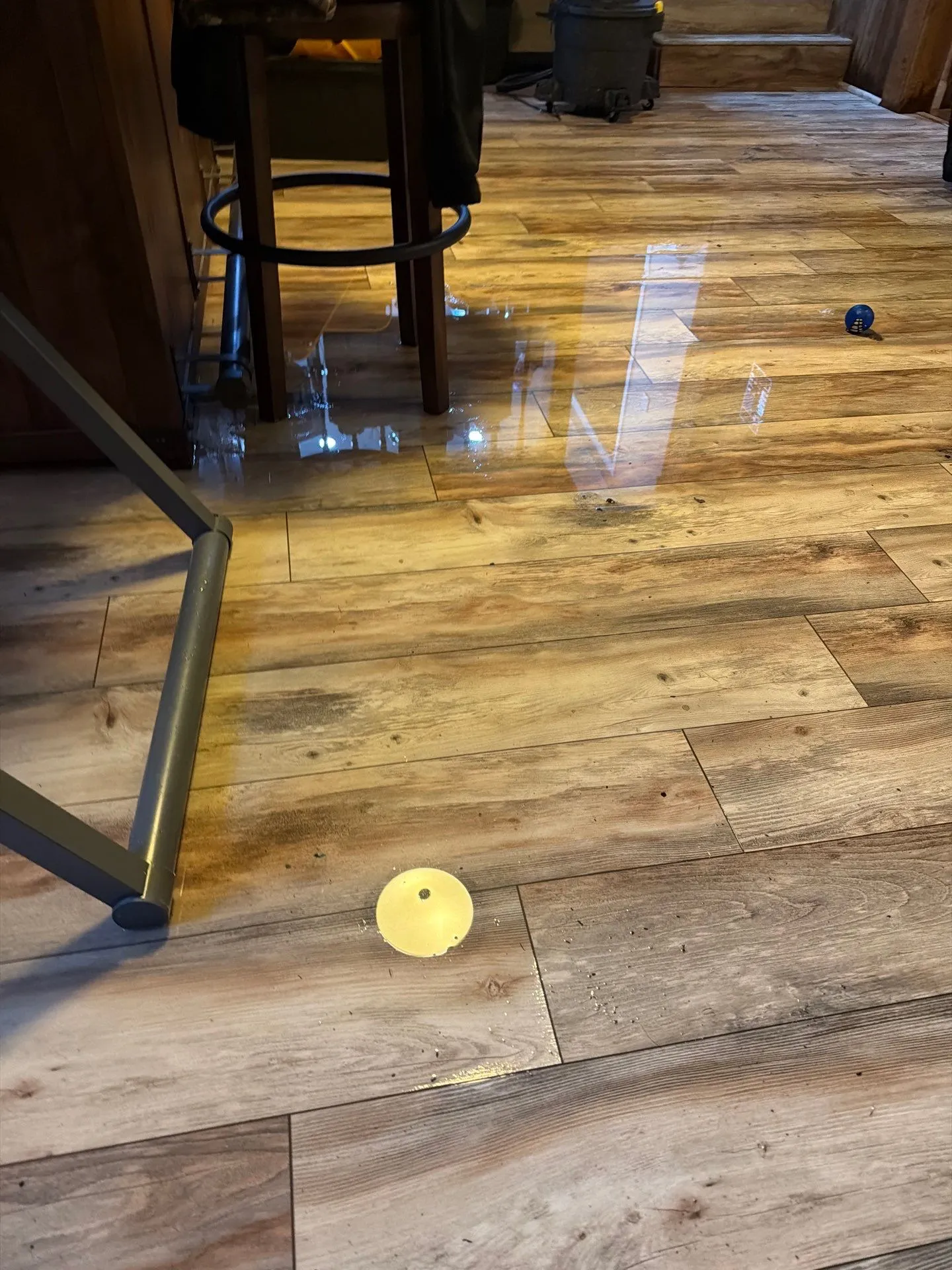
Stop the source if you can. Cover the well with a tarp weighted at the edges to keep more rain out. Bail the well with a bucket or pump water out with a wet vacuum. Inside, extract standing water, pull baseboard if the drywall is wet at the bottom, and lift carpet at the wall to check the pad. Document everything with photos before you move items, since insurance adjusters will want a clear before and after record. Call Sunblest Farms Water Restoration for an assessment. Our crews dispatch in most cases within 2 hours, and we will tell you honestly whether you can handle it with fans or whether you need professional basement flooding response.
Preventive Measures That Actually Hold Up
After we dry out a basement, homeowners almost always ask what they should change. The honest answer is layered. Replace cracked or missing well covers with polycarbonate units rated for snow load, since flimsy plastic warps within a season or two. Have the well drain inspected with a camera, and if it is collapsed or absent, install a new gravity drain or a dedicated well sump tied into the perimeter system. Extend downspouts at least six feet away from any well, and regrade the soil so it falls away from the foundation at roughly a half inch per foot for the first ten feet. These changes are not glamorous but they prevent the next event.
What the Damage Actually Looks Like Behind the Walls
The visible water is rarely the worst part. When a window well overflows, water runs down the foundation wall on the exterior side of the drywall before it shows up inside. By the time you see a wet streak on the painted surface, the back of the drywall and the bottom plate of the framing have already been wet for some time. Fiberglass insulation acts like a sponge, holding moisture against the wood and slowing the drying process even after the source is stopped. We use thermal imaging and penetrating moisture meters to map the actual extent, which is almost always larger than the visible damage suggests. Our piece on hidden water damage signs goes deeper on what to look for in the days following an event.
Subfloor damage at the perimeter is another quiet problem. OSB and particleboard subfloors swell when wet and lose structural integrity if not dried quickly. If carpet or laminate is installed over a wet subfloor and you simply let it air out, you are setting up a mold situation within 48 to 72 hours. The IICRC S520 standard exists for this reason, and following it is not optional in our work.